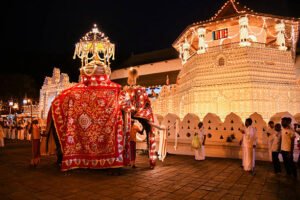
Sinhala and Tamil New Year Overview in Sri Lanka
The Sinhala and Tamil New Year is the biggest celebration among Sri Lankans and falls on the 13th and 14th of April annually. The arrival of the New Year is significantly identified by the ‘coo-hoo’ sound of the koha, a small black bird that announces the arrival of spring. During this celebration time, you can witness a chain of traditional rituals to be followed with the transition of the sun from Mesha Rashiya, which is Pisces, to Meena Rashiya, which is Aries in the zodiac. The Sinhala and Tamil New Year is a feast full of traditional sweets, fireworks, and many more Avurudu sports.
When is the Sri Lankan Sinhala and Tamil New Year
The Sinhala and Tamil New Year in Sri Lanka is celebrated in mid-April, usually on the 13th or 14th, marking the sun’s transition from Pisces to Aries. This astrological shift signifies the end of the old year and the beginning of a new one for both Sinhala and Tamil communities. The exact time of celebration is determined by auspicious timings, known as “nakath”, which guide rituals such as lighting the hearth, preparing traditional food, and exchanging gifts. Families come together to celebrate with customs, games, and religious observances, making it one of the most important and culturally rich festivals in Sri Lanka, symbolising unity, renewal, and prosperity.
Also, as famous places you can add to your checklist to celebrate the Sinhala Tamil New Year locations are –
How is the Sinhala and Tamil New Year celebrated in Sri Lanka?
The Sinhala and Tamil New Year rituals are the main spotlight of the entire celebration. The elders of the community make sure that the rituals are taking place according to the strict astrological timing. Below are some of those rituals that the Sinhalese community performs during the auspicious time.
- Nonagathe, also known as the neutral period, is a solid 12 hours between the old new year, which falls on 13th April, and the new year, which falls on 14th April, where people abstain from work and solely engage in religious activities at temples.
- Lighting the hearth is a ritual that is passed from generation to generation, where the families light the traditional hearth, which is made of clay. Then, boiled milk in a new clay pot is placed on the hearth while you wait for it to overflow, symbolising prosperity.
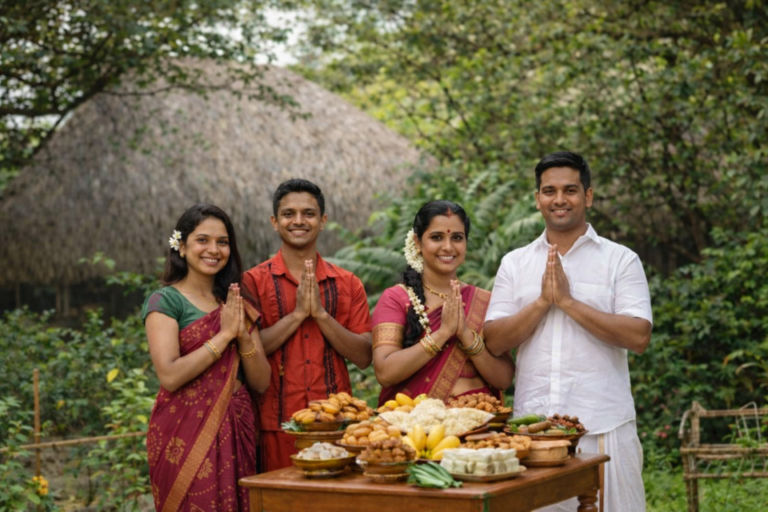
- The first meal is another important ritual. It turns the Awurudu table into a grand feast, complete with colourful sweets and a tray of pure white milk rice. The entire family gathers around the table, dressed in an auspicious colour, to share their first meal as a family.
Cultural and Religious Significance of Sinhala and Tamil New Year
The Sinhala and Tamil New Year holds strong religious significance for both Buddhists and Hindus in Sri Lanka. It is considered a sacred time of spiritual renewal, where people cleanse their minds and surroundings. Buddhists visit temples to offer flowers, light oil lamps, and observe ‘sil’ (religious practices), seeking blessings for the year ahead. Hindus perform poojas at temples and homes, praying to deities for prosperity and protection. Auspicious times, based on astrology, guide all rituals and emphasise harmony with cosmic movements. Acts of giving, kindness, and respect to elders are also encouraged, reflecting religious values. Overall, the New Year is not just a celebration but a deeply spiritual occasion focused on faith, purity, and positive beginnings.
Sinhala and Tamil New Year Sweets
During the Sinhala and Tamil New Year, sweets known as kavili play a central role, symbolising prosperity, happiness, and togetherness. These traditional homemade delicacies are made using rice flour, kithul treacle, and coconut milk, reflecting the island’s rich culinary heritage. Popular treats include Konda Kevum (oil cakes), crispy Kokis, sweet Mung Kevum, chewy Athirasa, and the delicate, net-like Aasmi. Each item is carefully prepared during auspicious times, adding cultural and spiritual meaning to the process. These sweets are beautifully arranged on the New Year table alongside Kiribath (milk rice), creating a festive spread that is shared with family and guests, representing generosity, abundance, and the joy of new beginnings.
How to make this experience a part of your itinerary
To experience the Sinhala and Tamil New Year as part of your itinerary, plan your visit during mid-April and immerse yourself in authentic local traditions. Stay in family-run guesthouses or homestays to witness real New Year rituals and hospitality. Enjoy traditional sweets like kavum and kokis, freshly prepared during auspicious times. Take part in lively village games such as greased pole climbing, tug-of-war, and pillow fights, which bring communities together. Visit temples to observe religious customs and blessings for the new year. Most importantly, engage respectfully with locals, exchange greetings, and embrace the festive spirit to truly connect with Sri Lanka’s rich cultural experience. At Travelco Leisure, we can give you a fully customized package.
Frequently Asked Questions
How do Sri Lankans celebrate the Sinhala and Tamil New Year?
Sri Lankans celebrate with religious rituals, preparing traditional sweets, playing village games, visiting relatives, and observing auspicious customs.
How do you wish Sinhala and Tamil a happy new year?
Sinhala: Subha Aluth Avurudduak Wewa!
Tamil: Iniya Puthandu Nalvazhthukkal!
Common Wish: “May this season bring joy, prosperity, and renewal
How do Tamils celebrate the Tamil New Year?
This includes poojas, traditional foods, family gatherings, and cultural festivities.
Why celebrate the Sinhala and Tamil New Year?
To mark the sun’s transition from Pisces to Aries in the zodiac