Table of Contents
ToggleThe Birth of Ceylon Tea in Sri Lanka
The story of Ceylon tea in Sri Lanka begins in the early 19th century, during British rule. Before tea, the island was famous for coffee. But in the 1860s, a coffee blight destroyed the crops. The disaster made the British try tea instead. In that way, the first successful tea plantation grew in the highlands, in what is now Nuwara Eliya. Since Sri Lanka had perfect conditions with the high hills, cool weather, and steady rain, it became home to tea. With rising demand around the world, Sri Lanka soon became a top tea producer. Today, people love Ceylon tea in Sri Lanka for its strong flavour, smooth texture, and bright, vibrant colour.
Discovering the Rich Tea Culture of Sri Lanka
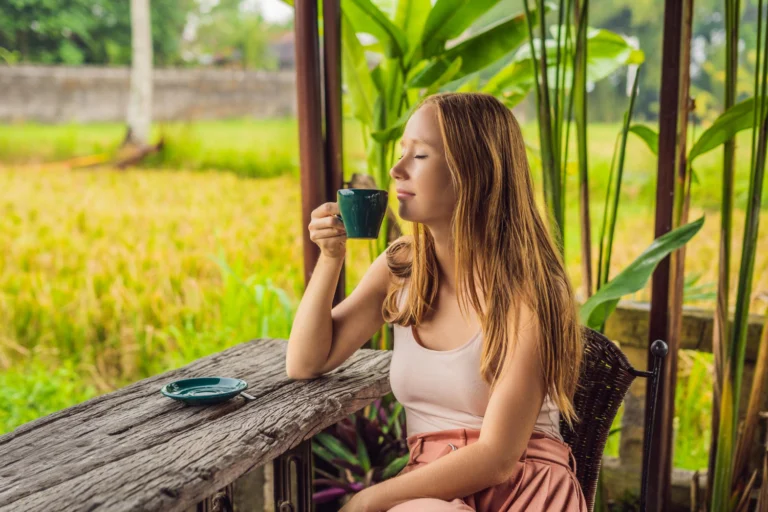
Tea in Sri Lanka is not just a drink; it’s a staple ritual in every Lankan household. Sipping a cup of tea in the central highlands is one of the best experiences you will have in your Sri Lankan trip. Here, you can walk through scenic tea plantations, explore tea factories, and enjoy many more tastings of Ceylon tea. With every sip, you’ll see why the island is famous for producing some of the world’s finest tea.
Tea Plantations: A Scenic Experience
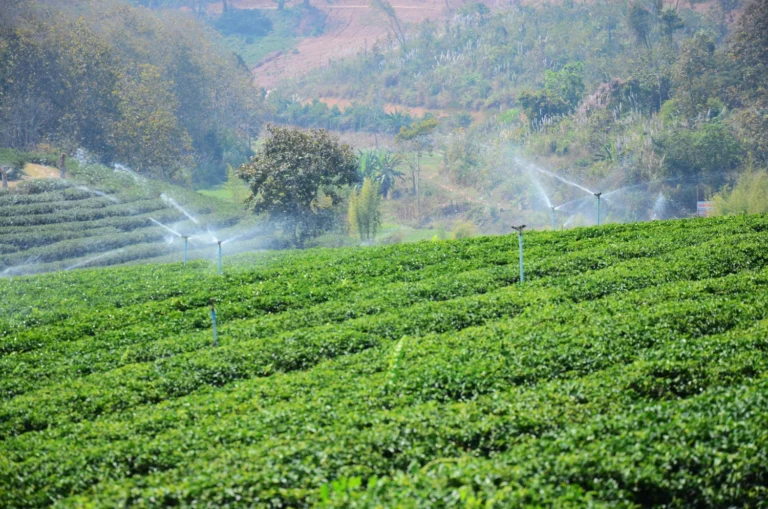
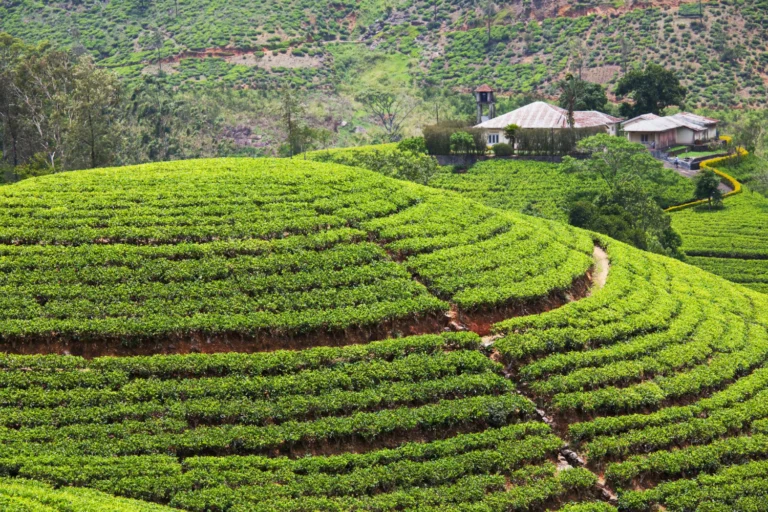
One of the greatest ways to enjoy tea in Sri Lanka is to visit its beautiful tea estates. The central highlands, which include
You may enjoy the island’s natural beauty and learn how to make tea by walking through these estates. Meet local tea pickers, witness the hand-picking of leaves, and observe the entire process from picking to packing. This shows how hard work and skill go into making tea. Many plantations provide guided tours for you that showcase traditional methods, including withering, rolling, and drying. A trip to a tea factory gives you a look at Sri Lanka’s tea history from the inside.

Types of Sri Lankan Tea
Uva Tea
Uva tea is a high-grown black tea from Sri Lanka that is known for its unique, exotic smell and smooth, mellow, yet crisp taste. It usually has a brilliant copper liqueur and tastes like honey, citrus, and menthol.
Kandy Tea
Kandy tea is a “mid-grown” Ceylon tea from Sri Lanka (2,000–4,000 feet) that is known for its strong, full-bodied flavour and brilliant coppery liquid. It usually has a smooth, mellow, and slightly malty taste. It often makes a rich, brisk, and fragrant cup that is perfect for an afternoon brew.
Nuwara Eliya Tea
People sometimes call Nuwara Eliya tea the “champagne” of Ceylon teas because it has a light, delicate, and refreshing flavour. It is a high-grown Ceylon tea. It is a beautiful, gold-coloured liquor with hints of flowers, fruits, and spices. The taste is smooth but complex, and it’s best consumed straight.
Dimbula Tea
Dimbula is a high-grown Ceylon tea that is known for being refreshing, smooth, and fragrant. It is often a light, golden-orange colour. It has a well-balanced, medium-to-full-bodied flavour with traces of jasmine, cypress, and red fruit. This makes it ideal for both morning and afternoon, with or without milk.
The Health Benefits of Tea in Sri Lanka
- Polyphenols in Sri Lankan tea, especially flavonoids, improve blood vessel function, lower cholesterol, and lower the risk of heart disease.
- Tea improves digestion. The natural ingredients in tea relax the digestive system, relieve bloating, and enhance gut health.
- Tea is commonly recommended as a natural weight loss solution. Its caffeine stimulates metabolism, burning fat faster.
- Tea is rich in antioxidants that fight free radicals. Antioxidants alleviate inflammation, inhibit oxidative damage, and slow ageing.
- Tea is a relaxing ritual in Sri Lanka, where many people drink it to relax. Tea soothes the mind and body, whether you’re sipping it in the cold highlands or overlooking lush plantations.
Tea-Tasting Tours: A Must-Do for Travellers
Leaving Sri Lanka without having to test tea is like leaving an island without experiencing its soul. Any plantation offers tea-tasting experiences where you can learn about the blends, see how they’re manufactured, and sample them. You may even pair Sri Lankan tea with native snacks, cakes, and fruit at some plantations. This is a wonderful way to experience Sri Lankan culture and tea.
Best Time to Visit Sri Lanka for Tea Lovers
Tea lovers should visit Sri Lanka in December–March during the dry season. Cool, bright, and dry weather in the central highlands (Nuwara Eliya and Ella) makes these months ideal for exploring tea farms, trekking, and watching tea-picking in lush, accessible surroundings. However, each season brings its own unique beauty to the island, and tea lovers can enjoy the lush greenery of the plantations throughout the year with Travelco Leisure Tour Packages.
Frequently Asked Questions
When is the ideal season to enjoy tea in Sri Lanka?
The best time is the dry season from December to March, when the highlands are cool and perfect for tea plantation visits.
How can I truly enjoy Sri Lankan tea?
Visit the central highlands’ tea estates like Kandy, Nuwara Eliya, or Ella for tours and tastings.
Are tea factory visits possible in Sri Lanka?
Yes, many plantations offer factory tours showing the full tea-making process and fresh tea tasting.
What makes Ceylon tea different from other teas?
Ceylon tea’s unique flavour comes from Sri Lanka’s specific climate, altitude, and soil conditions.
Is all tea in Sri Lanka organic?
Not all, but many plantations follow sustainable practices and offer certified organic options.